
Showing and selling at Art Basel Paris: before, during and after the fair
Tuesday 20 October, mid-morning. Art Basel Paris 2026 opens for the Avant-Première, and the first collector you invited walks in with a friend you have never met. Ten minutes later she is back in the aisle, and you have neither her name nor the drawing she stopped in front of.
A fair is hundreds of conversations in six days. This guide to Art Basel Paris 2026 covers what to prepare, what to write down on the booth and what to do the week after, then the French rules for a sale concluded in Paris, one subject at a time, wherever your gallery is based.
The legal part is not legal advice and does not describe the law of your own country.
In brief
- Keep one list of the works on the booth, shared by the whole team: price before and including VAT, availability, provenance.
- Write every useful conversation down on the spot: name, contact, the work, what was said, consent to hear from you.
- A hold is who, at what price, until when, and the whole team knows.
- From 10,000 euros per transaction or series of linked transactions, identify the buyer and any beneficial owner before the sale.
- By Monday 26 October: thank, follow up the holds, invoice with the right VAT, and have the export paperwork ready.
Art Basel Paris 2026: the dates, and what to prepare
The published schedule for this fifth edition:
- Tuesday 20 October: the Avant-Première, by invitation, for galleries and their principal clients.
- Wednesday 21 and Thursday 22 October: the Preview Days, with the public Vernissage on the Thursday.
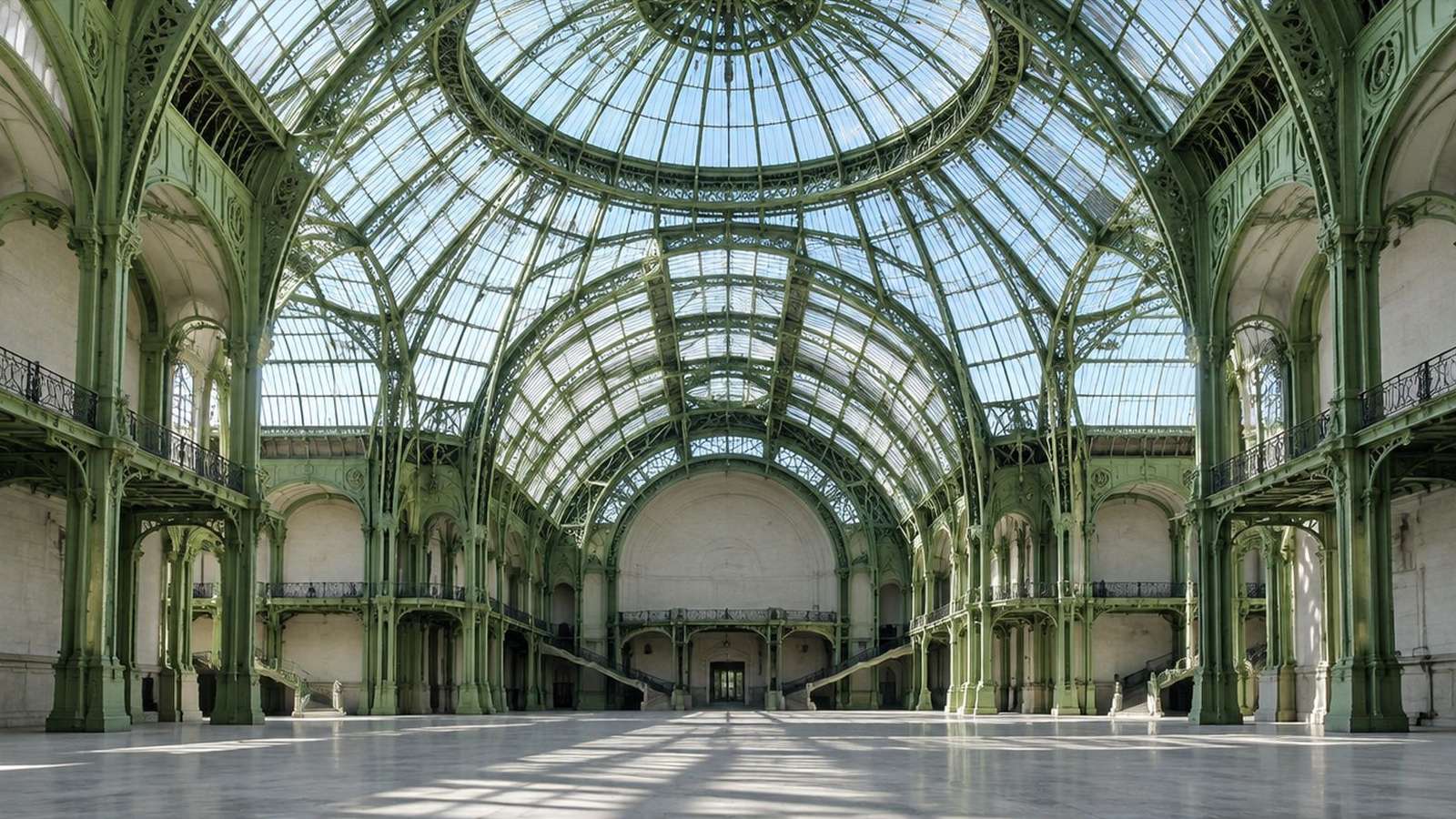
- Friday 23 to Sunday 25 October: open to everyone, at the Grand Palais.
Invite around those days: the Avant-Première for people who already buy from you, the Preview Days for appointments at a set time, the weekend for first encounters. Offer a time rather than a vague “do come by”: an appointment holds.
Then the list of works, shared by everyone on the booth, with for each work:
- the price before and including VAT: French VAT applies to most sales, and buyers ask for both;
- availability and provenance;
- the papers a buyer may ask for within the hour: certificate, condition report, exhibition history;
- how and when the work entered the EU: two rules below depend on it.
On the booth: what you write down straight away
Give every useful conversation thirty seconds of writing on the spot: the name, a way to reach the person, the work that stopped them, what was said, and whether they are happy to hear from you.
A hold needs three things: who, at what price, until when. Write them down and tell the whole team, so that two colleagues never promise the same painting to two people.
When a sale is agreed, note what the invoice and the shipping will need: the buyer’s exact identity, country, delivery address, means of payment, and the day the work leaves the booth.
Before you accept a sale at Art Basel Paris: identity and the register
These are French obligations: they apply because the sale takes place in France, whatever the rules at home.
Identity checks. From 10,000 euros per transaction or series of linked transactions, French customs supervises art dealers for anti-money laundering. Before the sale, the gallery:
- identifies the buyer and any beneficial owner on a reliable document;
- checks whether the buyer is a politically exposed person;
- does not go ahead if identity cannot be verified.
The threshold comes from an EU directive, so your home rules probably look similar (see our guide to anti-money laundering for art galleries). Whether the French rules bind a foreign gallery at a Paris fair could not be settled from official sources.
The police register. If you buy, resell or take works on consignment, France requires a register of second-hand goods, the livre de police, where each line gives the object, the identity and ID document of the person who sold or consigned it, and its price. Not keeping it carries up to six months’ imprisonment and a 30,000 euro fine. The sources do not say how this applies to a gallery established abroad selling in Paris for a few days: if you bring secondary-market works, ask a French adviser before the fair.
On the invoice: French VAT and the artist’s resale right
VAT. France applies a reduced rate of 5.5% to the supply of a work of art, unless the margin scheme applies. Under the margin scheme:
- VAT is due on the margin and does not appear on the invoice, which cites the provision that justifies the scheme;
- a buyer from another EU country pays French VAT on the margin, like a Parisian buyer;
- a gallery based in another EU country that brings works to France to sell them this way must register for VAT in France.
You can always set the margin scheme aside and charge 5.5% on the full price. Works coming from outside the EU can be placed under temporary admission for exhibition and possible sale. Check your case with a French accountant before the fair.
The artist’s resale right. A resale in France of an original work, with an art market professional involved, triggers the artist’s resale right from 750 euros. It is borne by the seller and paid through the professional involved. The artist’s own first sale is not affected. The rates:
- 4% up to 50,000 euros;
- 3% up to 200,000 euros;
- 1% up to 350,000 euros;
- 0.5% up to 500,000 euros;
- 0.25% beyond, capped at 12,500 euros in total.
Before the work leaves France: export papers
The export certificate and the EU licence. If every work on your booth is under fifty years old, skip this part: age and value thresholds apply together. Above fifty years, a certificate from the French Ministry of Culture is required to leave France from:
- 300,000 euros for a painting;
- 100,000 euros for a sculpture;
- 50,000 euros for a watercolour, gouache or pastel;
- 30,000 euros for a drawing;
- 25,000 euros for a photograph;
- 20,000 euros for a print.
To leave the EU, a European export licence is added, only for works that no longer belong to their author, with lower thresholds:
- 150,000 euros for a painting;
- 50,000 euros for a sculpture;
- 30,000 euros for a watercolour, gouache or pastel;
- 15,000 euros for a drawing, a print or a photograph.
French customs adds that a work present in France for less than two years, or under temporary admission, needs no certificate. The sources do not say whether that exemption also covers the European licence.
The export proof for VAT. A work exported outside the EU is exempt from VAT if you can prove it, with the export declaration in the seller’s name, stamped by customs at the point of exit. A buyer who walks out with the work under their arm leaves you without that proof.
After the fair: the week that follows
By Monday 26 October the booth is gone. Thank the collectors who came, sending back the work you discussed with its price and dimensions. Follow up holds before they lapse; if one falls through, offer the work to the next person.
Invoice the sales promptly, with the right VAT treatment, and have the export paperwork ready before any work leaves the EU. Then take stock: what sold on the booth, what sold afterwards, the contacts captured and who answered, and what the fair cost.
What MARMALADE actually does
The fairs and events module in MARMALADE keeps a fair in one record: the booth built from your inventory, the contacts captured and the works sold or reserved on the booth, then the review of booth sales, later sales and contacts captured.
Published and last updated on 20 October 2026. It describes French law at that date and is not legal advice.